André Ayew’s World Cup Future in Question as Black Stars Prepare for Panama Opener
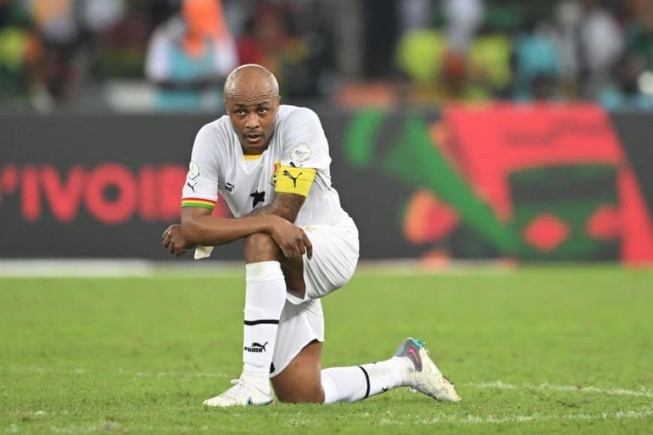
With just over 90 days to go until Ghana’s Black Stars face Panama at BMO Field in Toronto for the 2026 FIFA World Cup opener, attention across the nation has shifted from team tactics to a single name: André Ayew.
The 36-year-old forward, Ghana’s most-capped player with 120 appearances and 24 goals, has not represented the national team for two years. And now, speculation is rife over whether the former captain will be handed what could be his final dance on football’s biggest stage.
Otto Addo and André: A Relationship at Crossroads
The dynamic between Ayew and coach Otto Addo initially seemed ideal. Addo, a former assistant at Borussia Dortmund, had trusted Ayew extensively during the 2022 World Cup cycle. He featured in pre-tournament friendlies, scored in Ghana’s 3–2 defeat to Portugal, but also missed a crucial penalty in the 2–0 loss to Uruguay as the Black Stars exited at the group stage.
However, since March 2024, after a friendly against Uganda, Addo has shifted focus. Speaking to the press, the coach acknowledged the difficulty of his decision but emphasized the team’s long-term interests.
“I had a long talk with Andre. He is a living legend of Ghana. It was a difficult decision but this is the decision we took and I gave him the explanation. I have to take the best decision for the team,” Addo said.
According to insiders, the relationship’s evolution reflects both tactical necessity and squad management. Ayew’s influence in the dressing room, once invaluable, has grown difficult to balance with Addo’s modern approach, which emphasizes high pressing, mobility, and rapid transitions—a style favoring younger, more energetic forwards.
The Case for Experience vs. Youth
Ayew’s career speaks volumes. With 17 years of service, he remains a symbol of resilience, leadership, and technical quality. Supporters argue that his experience could guide Ghana through the pressure cooker of a World Cup.
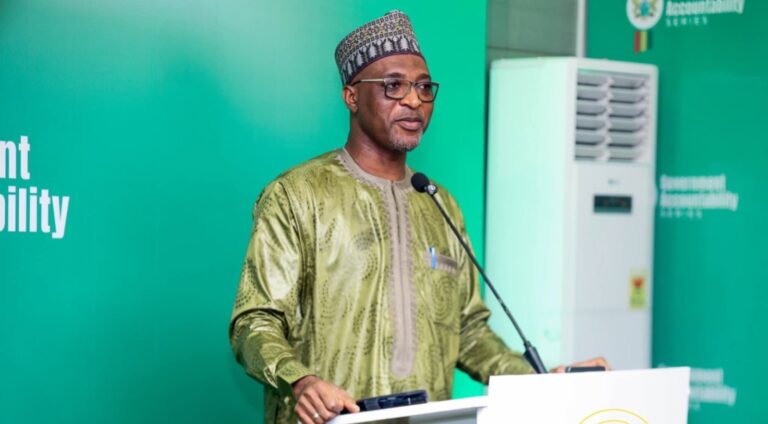
Three-time Ghana Journalist Association Sports Journalist of the Year, Benedict Owusu, stresses that inclusion should come with clarity:
“Key though, have a conversation with him and define his role in the squad before you take him.”
Yet, performance metrics tell a different story. Since Ayew’s return to competitive football with NAC Breda, he has played four starts in nine matches, scoring only once. Meanwhile, Ghana’s attack has flourished in his absence, averaging over two goals per game in the 2026 World Cup qualifiers.
Sudan assistant coach Ignatius Osei-Fosu noted bluntly:
“He might be a very, very good player but you ask yourself in this current setup, is he needed? For me, no. Dede is my man, but for me you leave when the applause is high.”
For others, the argument is moral as much as tactical. Eric Edem Agbana, MP for Ketu North, argues that loyalty and service to the nation warrant recognition.
“We need to reward sacrifice, hard work and loyalty,” he said.
Options in Ayew’s Absence
Ghana’s frontline is far from vulnerable. Coach Addo has a rich pool of attacking talent:
- Mohammed Kudus dominates the number 10 role while capable on the right flank.
- Antoine Semenyo, currently among the most-in-form Ghanaians in the Premier League, has netted 15 goals this season.
- Jordan Ayew, André’s brother and team captain, remains versatile and influential.
- Emerging talents like Ernest Nuamah, Abdul Fatawu Issahaku, Brandon Thomas-Asante, and Joseph Paintsil further strengthen depth.
With tactical flexibility, youth, and a blend of experience, Ghana may have enough firepower to challenge any opponent, even in Ayew’s absence.
Road to the World Cup
Preparations continue with friendlies against Austria (March 27, Ernst Happel Stadium), Germany (March 30, Stuttgart), Mexico (May 22, North America), and Wales (June 2, Cardiff City Stadium).
As the clock ticks down to the World Cup, the debate over André Ayew is more than just a question of form—it’s a discussion about legacy, national pride, and the delicate balance between honoring legends and shaping a team capable of competing at the highest level.
For Ghanaian fans, the answer remains uncertain. But one truth persists: whether in the squad or on the sidelines, André Ayew’s name will echo loudly through every conversation leading up to the 2026 World Cup.
About the Author