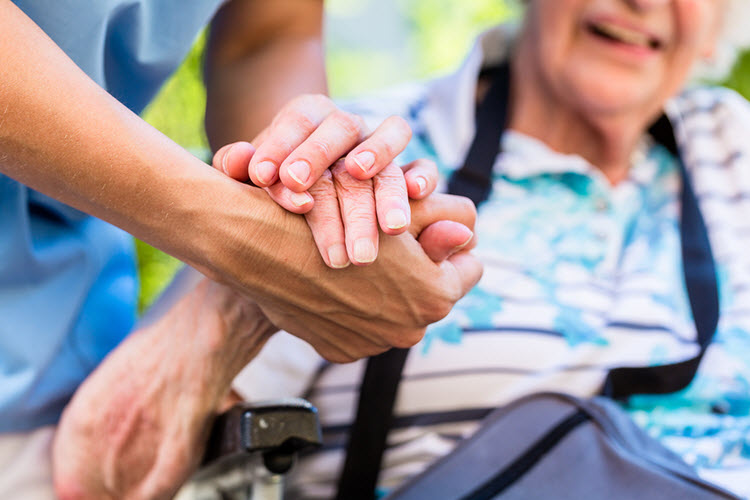
As parents, grandparents, and great-grandparents grow older, it becomes important for families to look out for their well-being. These are the same people who cared for us when we were young, and as they age, returning that care becomes a meaningful responsibility.
Many seniors believe they can still manage everything on their own. While independence is important, aging can bring challenges that make it harder to keep up with health, safety, and everyday responsibilities. By offering support and guidance, families can help their elderly loved ones stay safe, healthy, and comfortable while enjoying their retirement years.
Encourage Regular Medical Checkups
One of the simplest ways to protect older family members is to ensure they attend regular medical checkups. As people age, it becomes easier to forget appointments or ignore small health issues that could later develop into serious conditions.
Families can help by reminding their parents or grandparents about upcoming doctor visits. Adding appointments to a calendar or setting reminders on their phone can make it easier for them to stay organized.
Some medical clinics also send automated reminders before appointments, which can be very helpful. Even though some elderly people may resist visiting the doctor because they feel they are “fine,” gentle encouragement can make a big difference in maintaining their health.
Learn to Recognize Warning Signs
Older adults may not always talk about the health or emotional challenges they are facing. That is why it is important for family members to learn how to recognize warning signs.
These may include memory loss, difficulty seeing clearly, unusual mood changes, or physical weakness. Early signs of cognitive conditions such as Alzheimer’s disease or Dementia can sometimes appear gradually, and noticing them early can help ensure proper treatment and care.
In addition to health issues, families should also be aware of potential safety concerns if their loved ones live in care homes or assisted living facilities. Staying attentive helps ensure that any problems are addressed quickly.
Some families also invest in emergency alert systems that allow seniors to call for help instantly if they experience a fall or medical emergency.
Offer Help with Daily Tasks
As people grow older, physical strength and mobility may decline. Tasks that once seemed simple—like grocery shopping, cleaning the house, or walking the dog—can become more difficult.
Offering to help with these activities can significantly reduce the risk of injuries. Slips and falls are among the most common causes of injuries in older adults, especially during wet or cold weather conditions.
Even if your parents prefer to maintain independence, you can suggest doing activities together. This way they still feel involved while knowing that help is available if needed.
Stay Connected with Them
Emotional well-being is just as important as physical health for older adults. Staying in regular contact with elderly relatives can help them feel valued, connected, and supported.
Frequent visits, phone calls, or video chats can make a huge difference. Technology platforms such as Skype or other video calling apps allow families to stay connected even when they live far apart.
Teaching seniors how to use smartphones, tablets, or the internet might take some patience, but once they learn, it can open up a new way for them to communicate with family and stay engaged with the world.
Supporting Their Retirement Years
Helping elderly parents and grandparents live comfortably is not only about protection—it is also about giving them the chance to enjoy their later years without unnecessary stress.
By encouraging healthy habits, staying attentive to warning signs, helping with daily tasks, and maintaining regular communication, families can ensure their loved ones remain safe, happy, and supported as they age.
About the Author