More than 180,000 young Ghanaians applied to join the Ghana Immigration Service during the recent recruitment exercise, but only 1,000 applicants will eventually be enlisted, the Minister for the Interior has revealed.
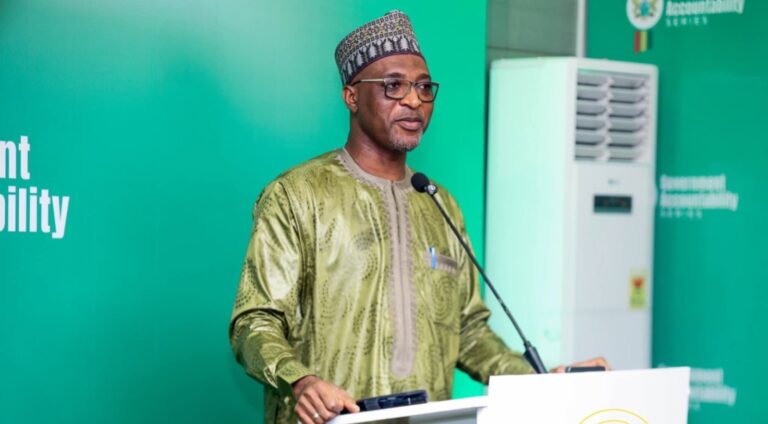
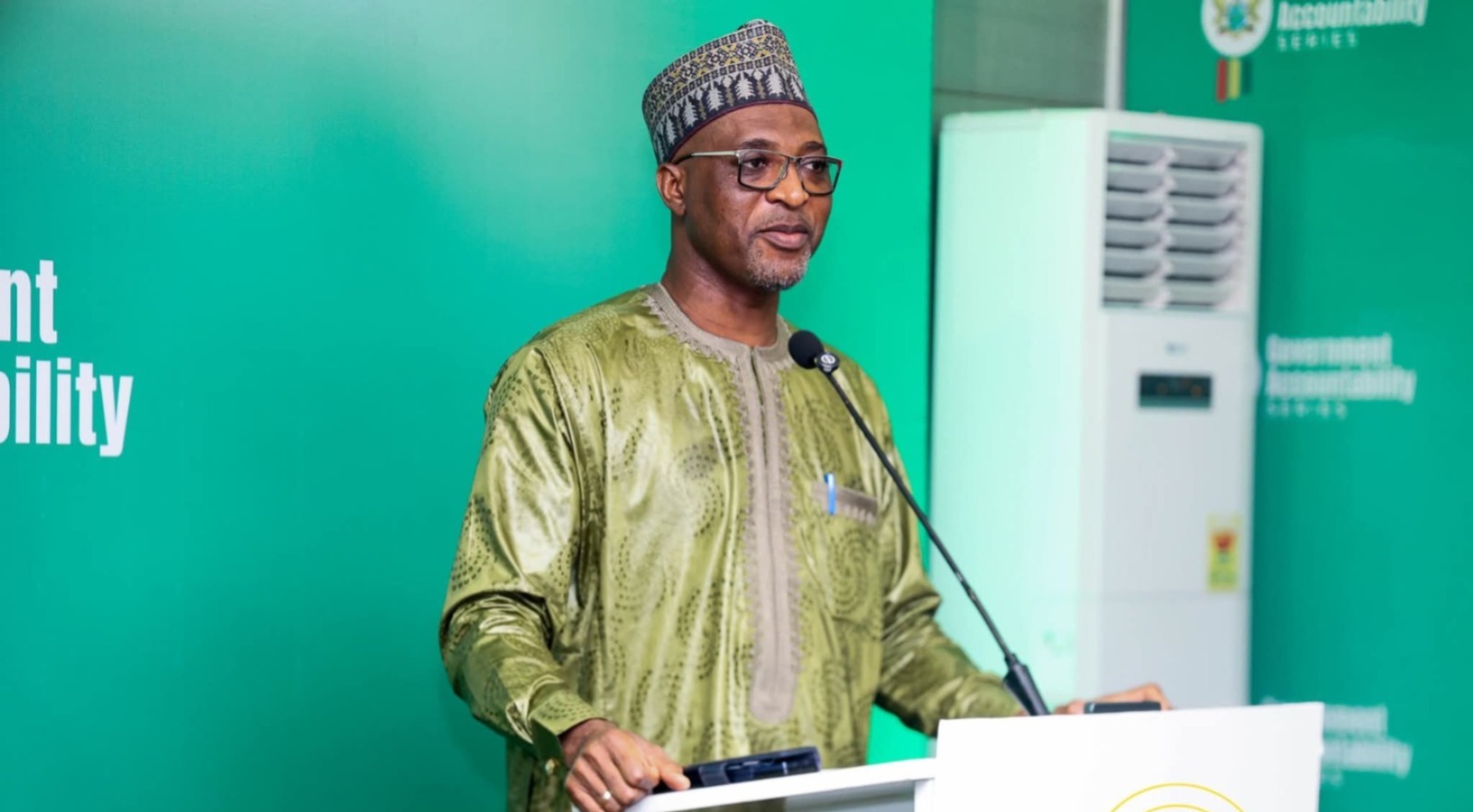
Speaking at a press briefing on Wednesday, March 11, Mubarak Mohammed Muntaka explained that the huge number of applicants highlights the growing demand for employment among the country’s youth.
Massive Interest in Immigration Service Jobs
According to the minister, the number of young people seeking to join the Immigration Service far exceeds the institution’s current workforce and operational capacity.
He disclosed that the entire personnel strength of the Ghana Immigration Service — from the Comptroller-General to the lowest-ranking officer — currently stands at 18,300 officers, a figure that is significantly smaller than the number of applicants.
“The total of over 180,000 young men wanted to join the Ghana Immigration Service. But the interesting thing is that today, the Ghana Immigration Service, the strength, from the Comptroller General to the last officer, stands at 18,300. Less than 20,000, yet you have 180,000 opting to join,” Mr. Muntaka explained.
Limited Training Capacity
Despite the massive interest in the recruitment exercise, the minister stated that the training infrastructure and accommodation facilities available to the service can only support about 1,000 new recruits in the current intake.
“Unfortunately, because of the physical space, we could only have space for 1,000,” he said.
Job Competition Among Ghana’s Youth
The development underscores the intense competition for positions within Ghana’s security services, which remain among the most sought-after employment opportunities for many young people across the country.
Mr. Muntaka noted that the situation reflects the broader challenge of job creation in Ghana, where thousands of graduates and young job seekers continue to compete for limited positions in government institutions.
Authorities say efforts are ongoing to expand opportunities for young people while strengthening the capacity of security agencies to support national development and border security.
About the Author